



24 Hours Services
The Department of Microbiology at Rajarajeswari Medical College and Hospital, Bengaluru functions as a 24×7 diagnostic laboratory providing continuous support for emergency, inpatient, outpatient, and critical care services.
The laboratory is equipped with advanced automated systems and follows standard protocols to ensure accurate, timely, and reliable results for effective patient management.
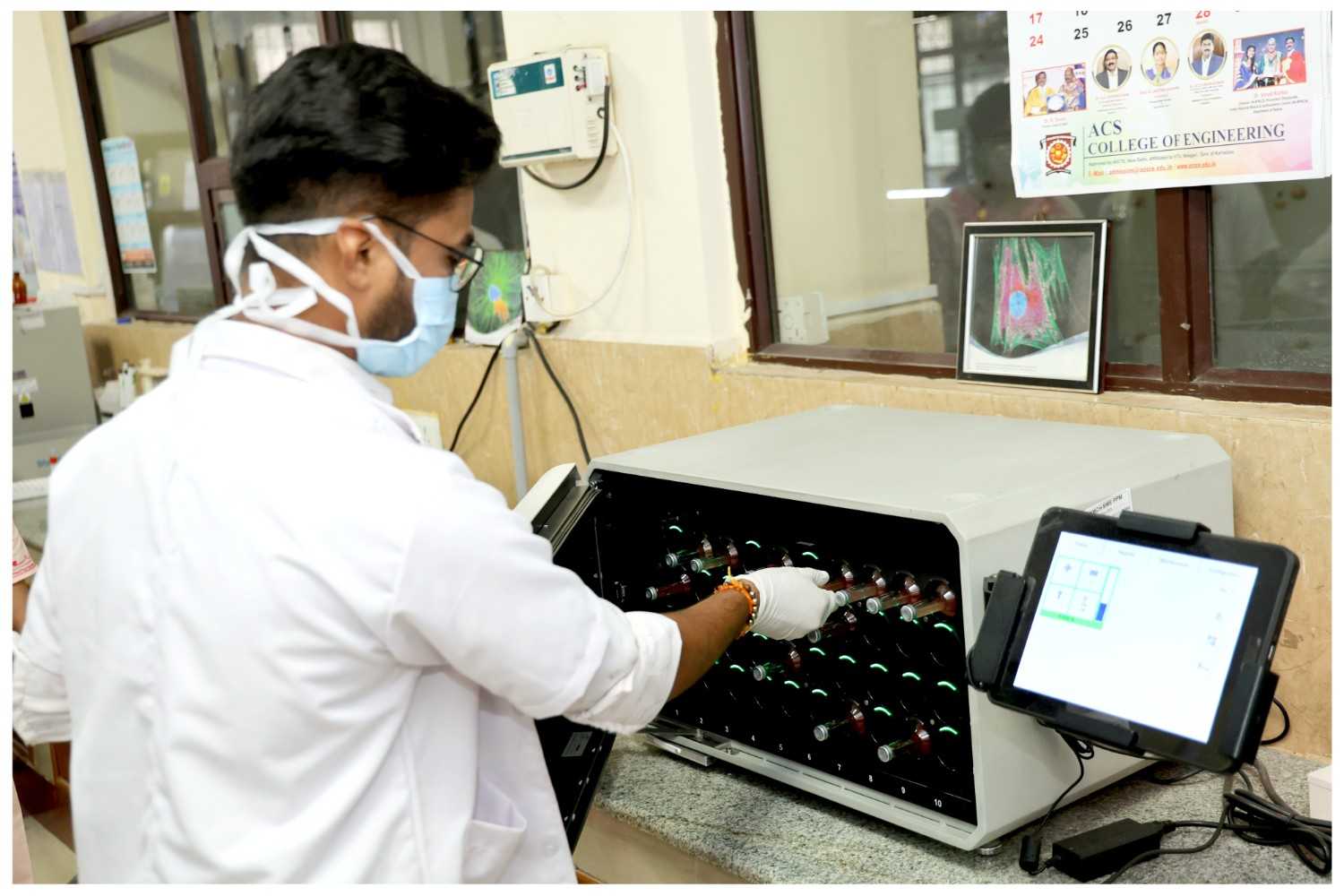
1. BD BACTEC FX40 – Automated Blood Culture System
It is used for rapid detection of pathogens in blood and is especially useful in sepsis cases in NICU and MICU patients.
- • Rapid detection of bloodstream infections
- • Useful in critical care and sepsis management
- • Turnaround Time (TAT): Positive blood culture alert within 12–48 hours based on organism growth
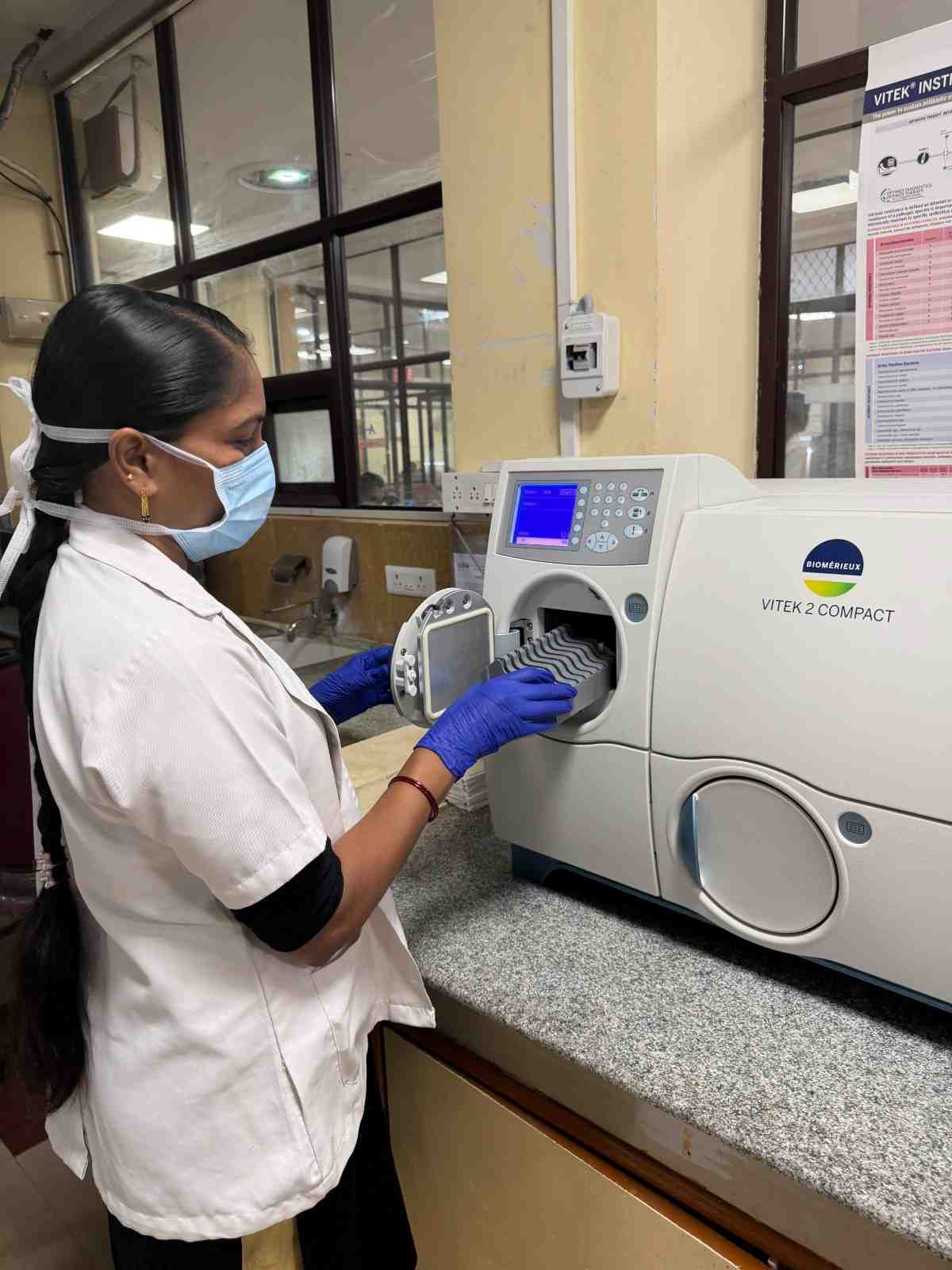
2. VITEK 2 Compact System for Automated Identification and Antimicrobial Susceptibility Testing
The VITEK 2 Compact is an automated system used for rapid identification of bacteria and yeast with a short turnaround time.
- • Automated bacterial and yeast identification
- • Antimicrobial susceptibility testing
- • Rapid and reliable reporting
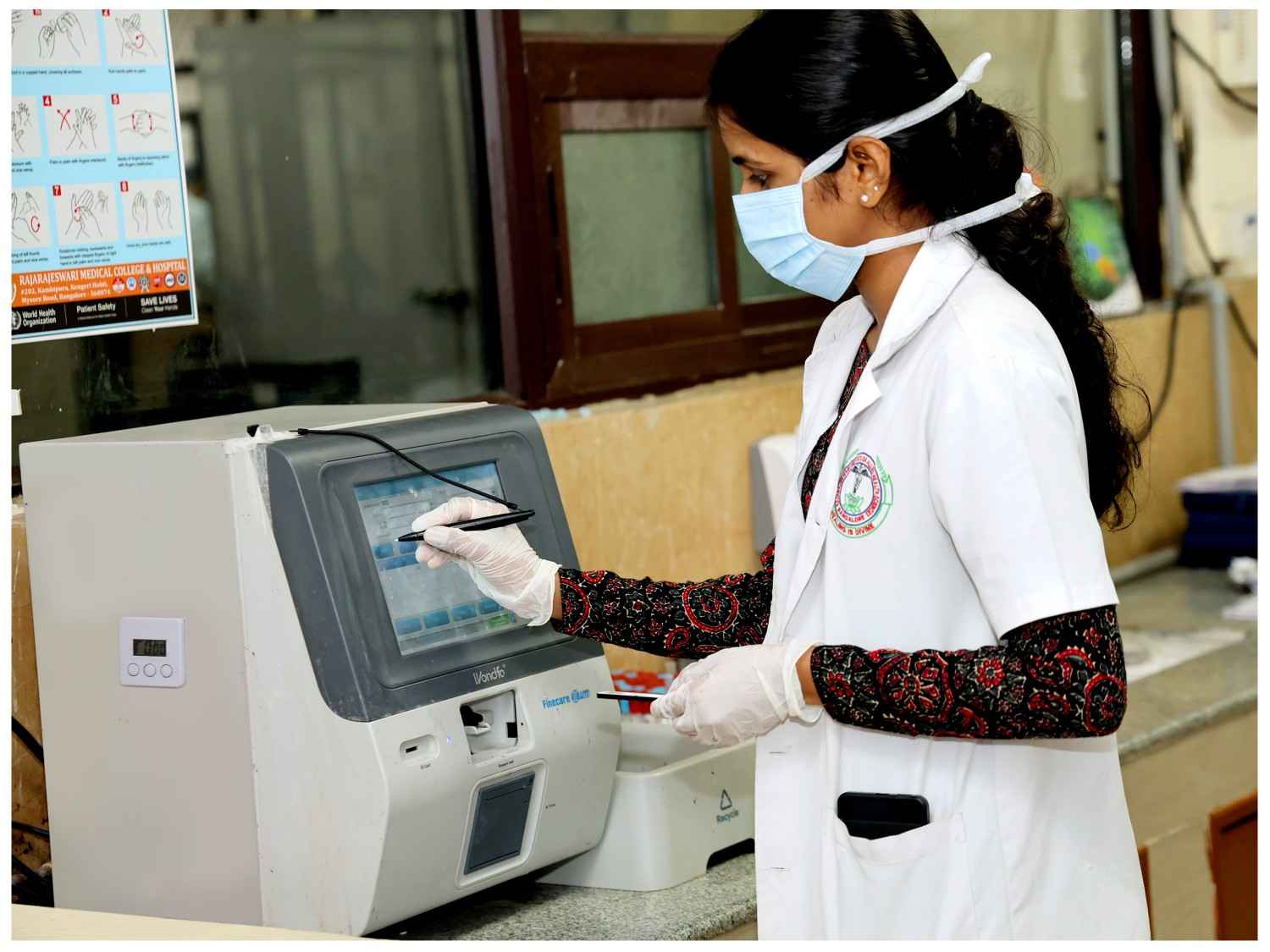
3. Fluorescence Immunoassay (FIA) by Finecare FIA Analyzer
The Fluorescence Immunoassay Analyzer is a rapid, quantitative system used in emergency and critical care settings.
Tests Performed Include:
- • Procalcitonin (PCT) – Marker for bacterial infection and sepsis
- • Troponin I (cTnI) – Early marker of myocardial infarction
- • D-Dimer – Marker for thromboembolic disorders
- • NT-proBNP – Indicator of heart failure
- • Turnaround Time (TAT): 15–30 minutes
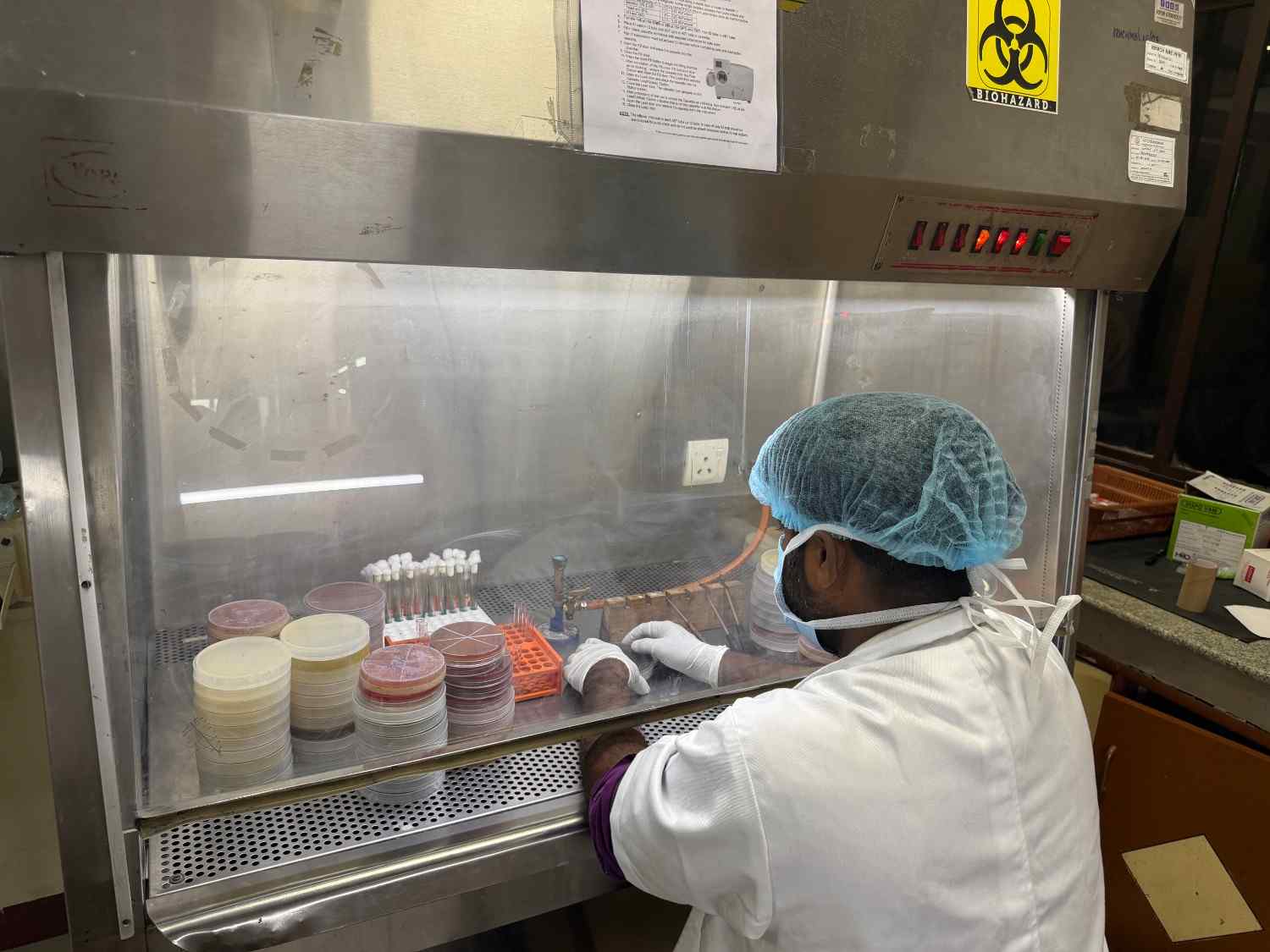
4. Culture and Sensitivity Testing
Routine culture and sensitivity testing is performed on sputum, urine, pus, stool, blood, and other body fluids for identification of pathogens. Antibiotic susceptibility testing is carried out to guide appropriate antimicrobial therapy.
- • Testing performed on multiple clinical samples
- • Identification of infectious pathogens
- • Antibiotic susceptibility testing for effective treatment guidance
- • Preliminary Report TAT: 24 hours
- • Final Culture & Sensitivity Report TAT: 48–72 hours
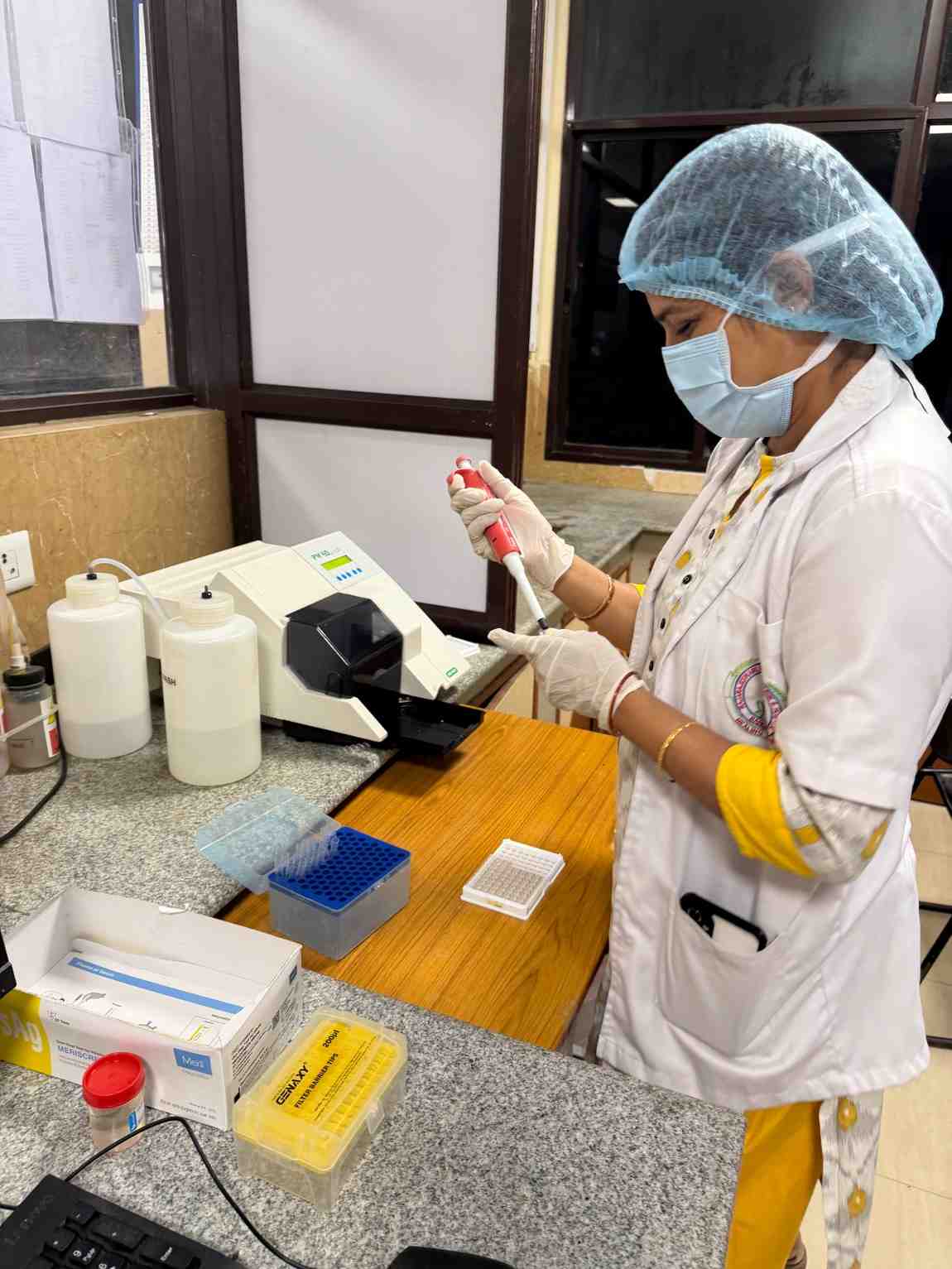
5. Serological Testing – ELISA
Enzyme-Linked Immunosorbent Assay (ELISA) is performed for detection of infectious disease markers with high sensitivity and specificity.
- • HIV
- • Hepatitis B (HBsAg)
- • Hepatitis C
- • Dengue
- • Turnaround Time (TAT): 4–6 hours
6. Rapid Diagnostic Tests
Rapid immunochromatographic tests are performed for quick screening and diagnosis of various infectious diseases and conditions.
- • HIV
- • Malaria
- • Dengue
- • Hepatitis B (HBsAg)
- • Hepatitis C
- • C-Reactive Protein (CRP)
- • Antistreptolysin O (ASO)
- • Rapid Plasma Reagin (RPR)
- • Rheumatoid Factor (RA)
- • Urine Pregnancy Test (UPT) – Rapid detection of human chorionic gonadotropin (hCG) in urine for early diagnosis of pregnancy
- • Turnaround Time (TAT): 10–30 minutes
7. Biosafety and Quality Assurance
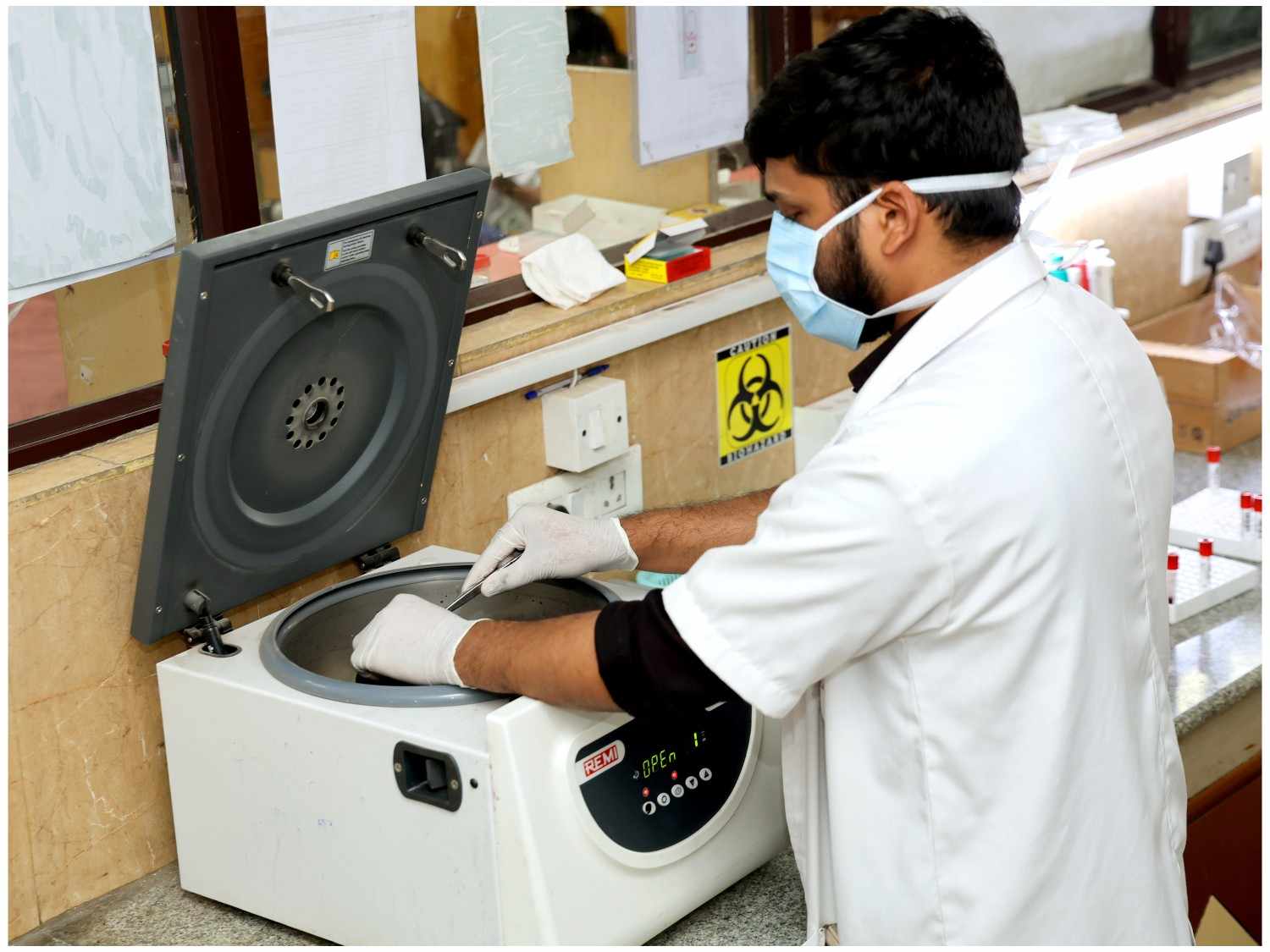
All microbiological procedures are carried out in a Class II biosafety cabinet, ensuring protection of laboratory personnel, samples, and the environment.
The laboratory follows strict infection control measures and quality assurance protocols to maintain high standards of diagnostic accuracy and reliability.
Laboratory Highlights
- • 24×7 emergency laboratory services
- • Advanced automated diagnostic systems
- • Rapid turnaround time for critical investigations
- • Continuous support for ICU, NICU, wards, and emergency services
- • Comprehensive microbiological and serological testing facilities